 By BitradeX
Introduction
Traditional exchange tokens are typically utility-focused, offering fee discounts, staking rewards, or limited governance. BitradeX Capital (BXC) goes further, combining equity-like rights, multi-business ecosystem integration, and AI-driven financial services. This article explains how BXC differs fundamentally from conventional CEX tokens, focusing on long-term participation, revenue engines, governance, and real-world use.
Section 1: Core Purpose and Token Nature
| Feature | Traditional Exchange Tokens | BXC (BitradeX Capital) |
|---|---|---|
| Primary Role | Utility token for fee discounts, perks | Ecosystem equity token anchoring overall platform value |
| Ownership | Usually no direct claim on exchange revenue | Entitles holders to revenue, governance, and priority access across multiple businesses |
| Market Focus | Short-term trading incentives | Long-term ecosystem participation, co-builder status |
BXC links user engagement directly with ecosystem growth, incentivizing loyalty and active contribution.
Section 2: Revenue Models
Traditional tokens rely on a single revenue stream such as trading fees. BXC leverages multiple revenue engines:
- Exchange revenue from spot, futures, and options trading
- AI Quant returns from AiBot & ARKOS automated strategies
- Payment settlement via BTX Card connecting digital assets to real-world transactions
- Project incubation equity via BitradeX Labs RWA projects
- Ecosystem investment returns feeding back into token value
This multi-engine approach stabilizes BXC value independently of market volatility.
Section 3: Governance and Community Participation
| Feature | Traditional Exchange Tokens | BXC |
|---|---|---|
| Voting Rights | Limited | Extensive: treasury, strategy, ecosystem expansion, project approvals |
| Proposal Rights | Rare | Token holders can submit ecosystem development proposals |
| Stake Influence | Sometimes weighted by stake | Staked tokens enhance voting power, revenue rights, and priority allocations |
BXC transforms holders from passive users into co-builders, embedding them into the ecosystem’s capital layer.
Section 4: Value Capture and Deflation
- Deflationary Buybacks: Ecosystem profits automatically buy back and burn BXC, reducing supply
- Staking Rewards: BXC stakers earn ecosystem profits, compounding long-term ownership benefits
- Ecosystem Revenue Mapping: Token value tied to multiple business outcomes, not just a single platform function
Traditional tokens often experience transient demand spikes without systemic scarcity.
Section 5: Ecosystem Integration and AI Flywheel
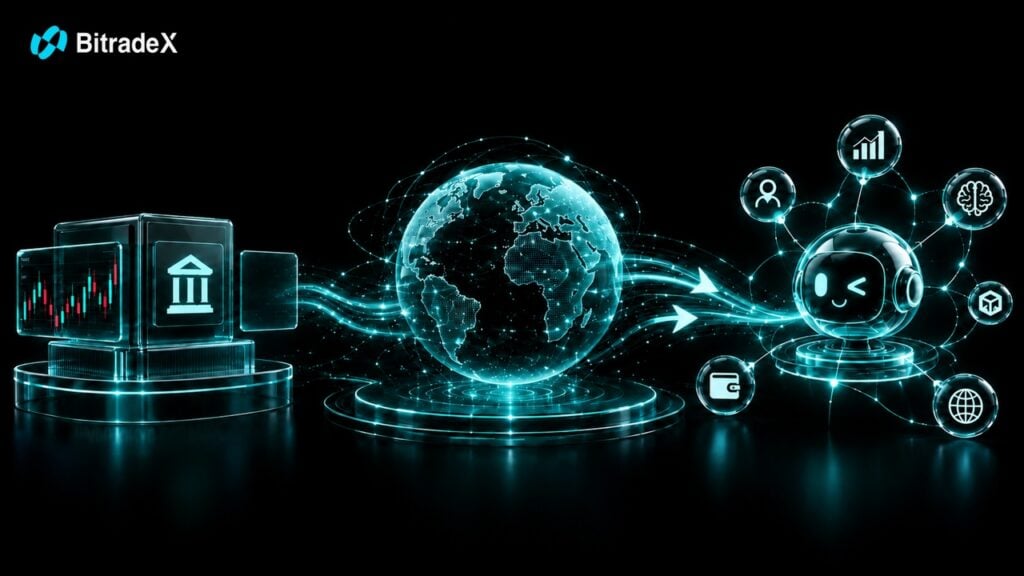
BXC is central to a capital-driven flywheel:
- Users provide exchange liquidity
- AI systems (AiBot & ARKOS) optimize trading and engagement
- Governance and co-builder mechanisms distribute ecosystem benefits
- Labs incubate RWA projects, creating early demand
- Profits return via staking and buybacks, reinforcing scarcity and value
Traditional tokens rarely integrate multiple business lines with AI feedback loops, limiting long-term growth.
Section 6: Real-World Utility
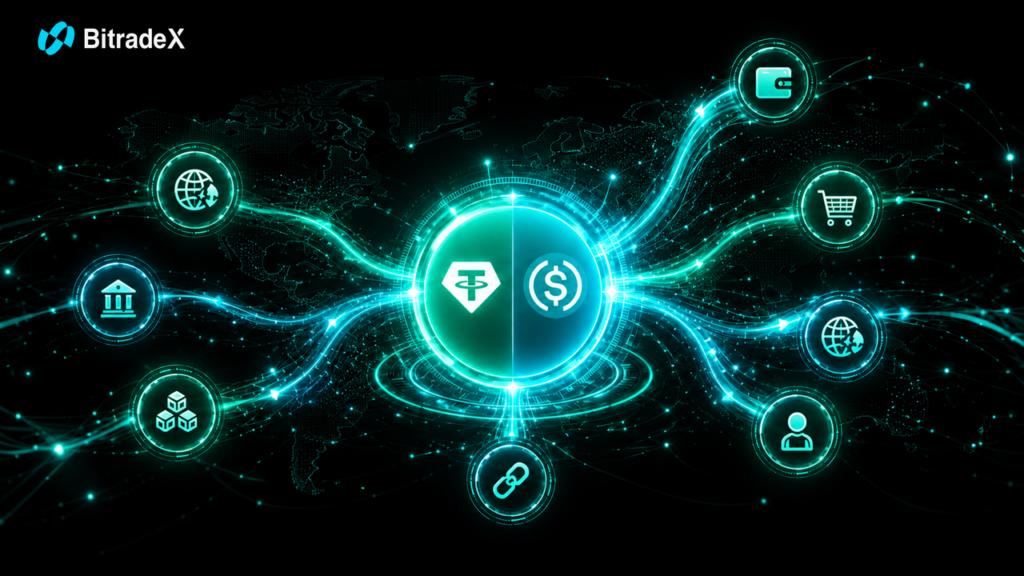
Unlike most exchange tokens, BXC powers global payments:
- BTX Card accepted in 190+ countries
- Digital asset flows complete the full ecosystem loop from trading to payments
- AI-driven portfolio services link user assets to ecosystem outcomes, creating measurable real-world utility
Section 7: Long-Term Ownership and Equity Model
BXC holders gain three core rights:
- Revenue Rights: Ecosystem profit share, staking incentives, project dividends
- Governance Rights: Voting and proposal rights across ecosystem decisions
- Priority Rights: Early access to AI strategies, Launchpad subscriptions, exclusive services
This equity-like model is absent in most traditional exchange tokens, which are primarily utility-focused.
Section 8: Compliance and Security
BXC maintains global compliance (US MSB license, UK entity) and Certik-audited smart contracts. Traditional tokens often lack comprehensive regulatory coverage.
Section 9: Key Differences Summary
- Multi-engine revenue vs single revenue stream
- AI-driven flywheel and ecosystem integration vs platform-limited utility
- Long-term equity and governance vs limited voting
- Real-world payment integration vs internal platform use only
BXC offers sustainable, equity-like participation in a multi-business ecosystem
Disclaimer
Digital asset prices can be volatile. This article is for informational purposes only and should not be treated as investment, legal, tax, or financial advice. Users are responsible for their own trading decisions and should evaluate whether any product or transaction is appropriate for their circumstances.