 By BitradeX
 Recently, more practical cases of combining blockchain with traditional finance are emerging. In July, the global financial messaging network SWIFT announced that its blockchain shared ledger has entered the initial phase of use, with 17 banks from six continents participating in the pilot to explore cross-border payments based on tokenized deposits. Meanwhile, the Hong Kong market is also advancing the practical application of stablecoins. Anchorpoint Financial, with the participation of Standard Chartered Bank, Animoca Brands, and HKT, has initiated the first phase of issuing the Hong Kong Dollar stablecoin HKDAP, with payments and settlements being one of its key application scenarios.
These movements come from different financial institutions and markets, yet they point in a similar direction: blockchain is gradually entering the actual operational phases of traditional financial services. In the past, blockchain was more commonly associated with crypto asset trading. Today, scenarios such as payments, settlements, and asset tokenization are constantly emerging, and the market’s understanding of digital assets is also changing.
Blockchain is Entering More Scenarios of Financial Operations
SWIFT’s launch of the blockchain shared ledger is noteworthy for more than just the word “blockchain.” As a critical infrastructure connecting global financial institutions, SWIFT has long served the traditional cross-border payment system. Incorporating blockchain technology into its infrastructure and testing it with multiple international banks indicates that financial institutions’ focus on on-chain payments and tokenized funds has moved from conceptual discussions to practical exploration.

Figure 1: Traditional Finance Accelerates Its Embrace of Blockchain
The development of stablecoins shows a similar trend. In the early days, stablecoins primarily served the digital asset market, providing pricing and settlement tools for trading. As banks, financial institutions, and payment companies have successively participated, their application scope has begun to extend to payments, settlements, and commercial finance scenarios.
This means that the value of blockchain is being re-evaluated. For financial institutions, they are no longer just concerned with how the price of a certain digital asset changes, but rather whether blockchain can solve practical problems in fund flows, transaction settlements, and cross-border payments.
This is also a major shift occurring in the digital finance industry.
The Role of Trading Platforms is Also Changing
The evolution of financial infrastructure has also brought new requirements for digital asset trading platforms. In the past, the core competitiveness of a trading platform was mostly reflected in trading pairs, liquidity, and trading tools. As the market matures, users are paying increasing attention to trading experience, product features, intelligent tools, and global market connectivity.
In recent years, BitradeX has continuously advanced its product and brand building, making AI intelligent trading one of its key exploration directions. On the specific product level, BitradeX launched the AI intelligent trading product AiBot, attempting to apply artificial intelligence technology to digital asset trading scenarios. Through intelligent strategies and product design, it aims to provide users with more convenient trading tools and more ways to participate in the market.
For trading platforms, the significance of AI is not just about adding a new product feature. As market information and trading data continue to grow, how to help users process information, understand the market, and use more intelligent trading tools more efficiently has become a question worthy of long-term exploration. AiBot is precisely a product practice of BitradeX in this direction.
AI is Transforming the Digital Asset Trading Experience
The entry of artificial intelligence into the financial sector is not a recent phenomenon, but with the continuous improvement of large models, algorithms, and data processing capabilities, the application of AI in financial scenarios is becoming more concrete. In the digital asset market, fast market changes, massive information, and long trading hours demand a higher level of intelligence from trading tools.
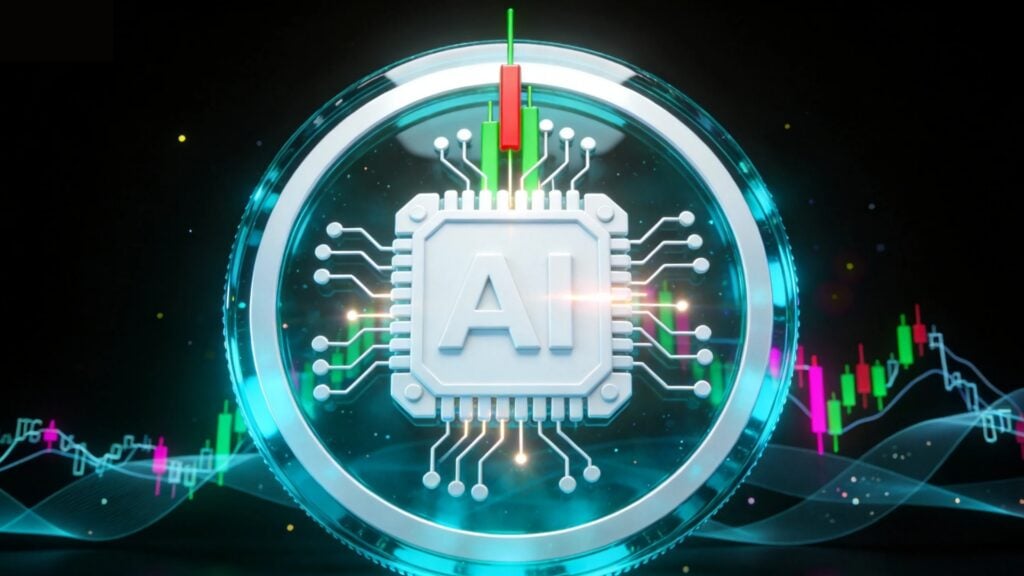
Figure 2: AI Empowers Digital Asset Trading
BitradeX continues to explore the integration of AI technology with digital asset trading and constantly refines related product capabilities around AiBot, hoping to reduce the complexity of certain trading operations through intelligent strategies and technical tools, allowing users to participate in the market more efficiently. This is also the core concept of BitradeX’s AI product layout: technology must ultimately return to the user experience itself.
Therefore, in addition to product features, R&D investment, system capabilities, and subsequent product optimization are also areas that require long-term commitment from the platform.
The Global Market Remains a Key Direction for Digital Finance
Beyond technology, the market itself is changing. The development of stablecoins, tokenized assets, and on-chain payments naturally endows digital finance with stronger cross-market connection capabilities. For trading platforms, they are no longer facing users from a single region, but rather a more diverse global market.

Figure 3: Connecting the Global Digital Finance Market
BitradeX is continuously advancing its global brand building and international market layout, expanding its overseas influence through product innovation and international brand partnerships. Previously, BitradeX reached a global brand partnership with David Villa, a member of the 2010 World Cup-winning team and a legendary football player. For the platform, this partnership is not only part of its brand internationalization but also a long-term layout to continuously enhance brand awareness in the global market. The international influence of sports and the global nature of digital finance have formed a connection in this partnership.
As the global digital asset market continues to develop, how to build a brand with greater international influence and provide products that adapt to different market needs will also become part of the long-term competition for trading platforms.
The Next Step for Digital Finance
Over the past few years, the blockchain industry has gone through multiple market cycles. Today, the industry’s focus is gradually shifting from pure asset prices to what real financial problems the technology can actually solve. Stablecoins are starting to enter payment and settlement scenarios, traditional financial institutions are attempting to use blockchain to handle fund flows, and artificial intelligence is further entering trading products and financial services.
These changes will not happen overnight, but the direction is becoming increasingly clear. For BitradeX, industry changes bring new product opportunities and also mean longer-term technical investment.
In the future, BitradeX will continue to advance its global market layout, carry out product exploration around AI intelligent trading, and further refine related product capabilities such as AiBot. At the same time, the platform will also pay attention to the development of stablecoins, asset tokenization, and blockchain financial infrastructure, seeking more possibilities for digital asset trading scenarios.
Digital finance is entering a more pragmatic stage. Whether technology is truly valuable must ultimately be judged by users and the market. BitradeX hopes to find its own position in this process through continuous product innovation and global layout.
Disclaimer
Digital asset prices can be volatile. This article is for informational purposes only and should not be treated as investment, legal, tax, or financial advice. Users are responsible for their own trading decisions and should evaluate whether any product or transaction is appropriate for their circumstances.